
How Much Does a Range Hood Cost?
A Real Answer, by Tier

A range hood can cost anywhere from about $600 for a basic stock stainless unit to $25,000 or more for a fully custom, hand-fabricated piece in copper, brass, or steel. Most of that spread comes down to four things: the material, whether it is mass-produced or built by hand, size and ventilation power, and finish complexity. A custom hood in the $5,000 to $15,000 range is where most homeowners land once the hood becomes a real design feature instead of an afterthought.
A range hood is not one product with one price. It is four different products wearing the same two words. A $700 box off a big-box shelf and an $18,000 hand-riveted steel piece with a sealed patina finish both technically vent a stove. Almost nothing else about them is the same, and that is where most of the sticker shock in this category comes from.
So if you priced a stock hood under $1,000, then opened a custom quote in the five figures, you are not being upsold. You are comparing two different categories of object. Knowing which category you are actually shopping in changes the whole conversation, and it takes the fear out of asking the question in the first place.
Range Hood Cost by Tier: What You Actually Get at Each Price Point
The market sorts into four fairly distinct bands, and each one has a different buyer behind it.
| Tier | Price Band | What’s Typical | Buyer Mindset |
| Budget catalog | $600 to $2,500 | Stock stainless, house-brand models sold through big-box and online retailers | “It just needs to vent” |
| Mid-market, custom-ish | $2,500 to $5,000 | Semi-custom copper or wood-look hoods, limited configuration | “Looking custom without the wait” |
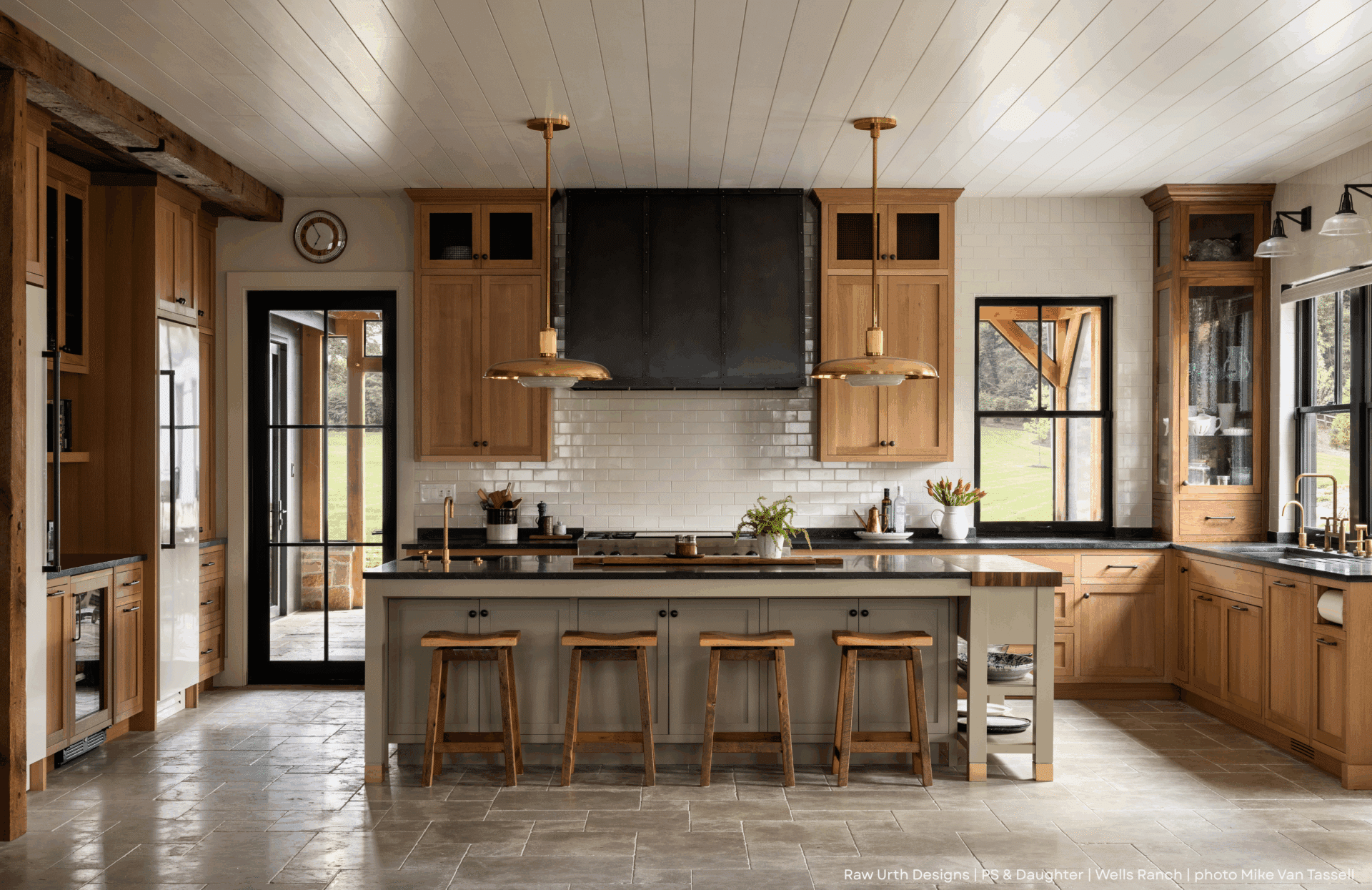
| Premuim custom | $5,000 to 15,000 | Fully custom, hand-fabricated in steel, copper, or brass, built to the kitchen’s exact dimensions | “This is the centerpiece, get it right” |
| Trophy, heirloom custom | $15,000 to $25,000 | Large-scale or specialty-metal pieces, often paired with full range wraps, mixed-metal banding, or architectural cladding | “This is the kitchen we publish” |
The jump from the second tier to the third is where most of the confusion lives. That is the line between a hood decorated to look custom and a hood actually built one at a time, for one kitchen, by one fabricator.
What Actually Drives the Price: Six Real Cost Factors
Material
Stainless steel sits at the affordable end of custom work, with stainless hoods commonly running between $3,000 and $5,000. Copper and brass run higher, both for the raw material and for the extra shop time either metal asks for to shape and finish well. Zinc lands as a lower-cost alternative to copper and brass, with a similar aged, blue-grey character.
Size
A 30-inch hood over a standard range costs meaningfully less than a 60-inch island hood spanning a commercial-style range. More metal, more structural support, and often a heavier ventilation system all scale the price together.
Custom versus stock
A stock hood is one of hundreds struck from the same die. A custom hood is drawn, fitted, and fabricated for one specific kitchen, one ceiling height, one duct run. That difference alone can separate two hoods by a factor of five or more, even in the same metal.
Fabrication method
Mass-produced hoods are stamped and welded on an assembly line. Hand-built hoods are shaped, seamed, and finished by a single fabricator from start to finish. That is slower, it costs more, and it is also why a hand-built hood holds up differently over twenty years than a stamped one does.
Finish and patina complexity
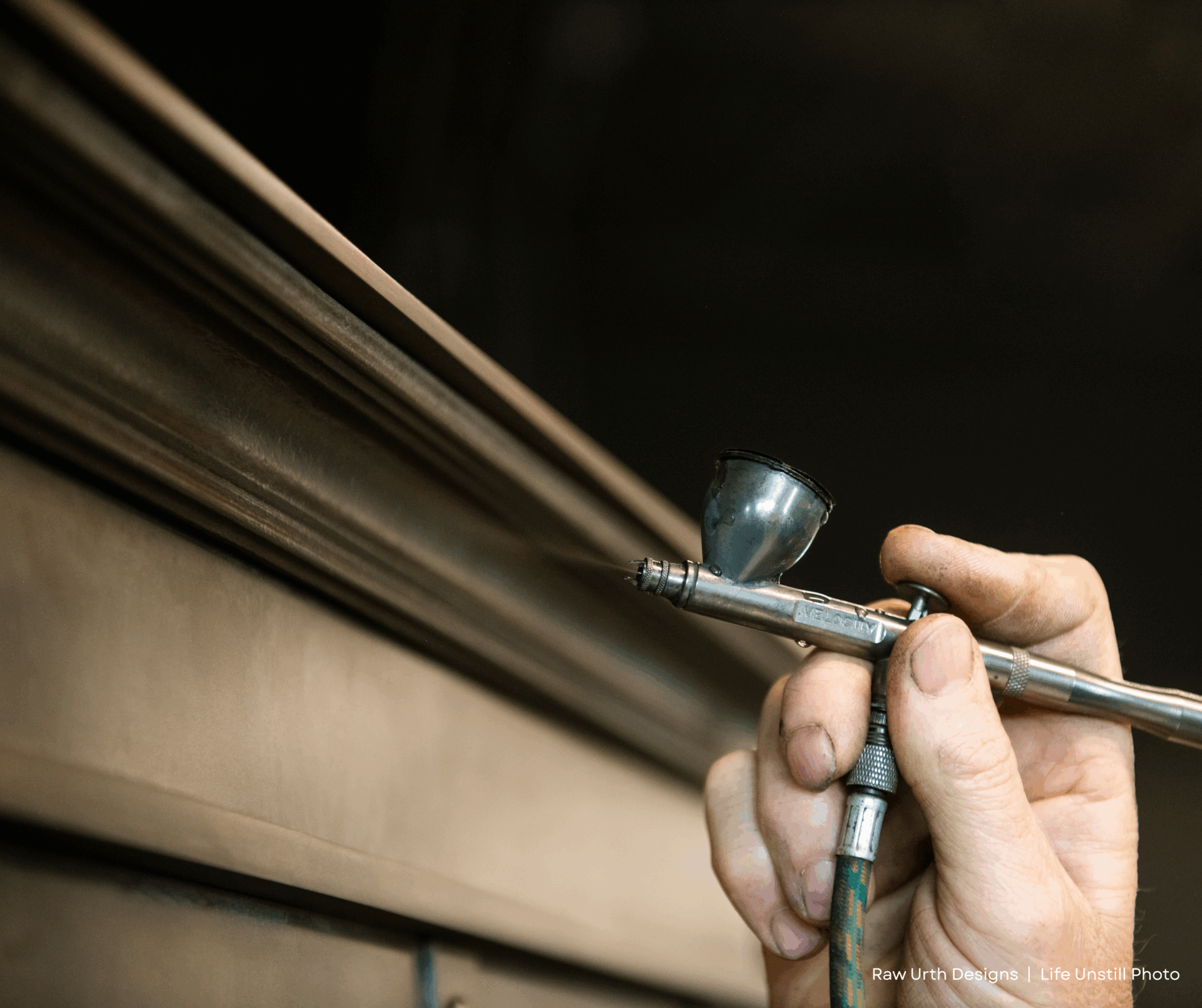
A brushed or powder-coated finish is a fairly simple final step. A true patina, where the finish is a chemical reaction with the metal itself rather than a coating sprayed on top, takes a trained hand and adds real time and cost. At Raw Urth, that patina is then sealed, so the piece stays as delivered rather than shifting on you later. It cannot be perfectly copied twice, which is the trade for owning something genuinely one of a kind.
Ventilation and CFM requirements
A standard 30-inch electric range needs less airflow than a 48-inch gas range with high-BTU burners. Higher-CFM blowers, larger duct runs, and make-up air requirements, common in newer, tightly sealed homes, all add to the total, sometimes before the hood body is even priced.
Installation Costs: The Number Most People Forget to Budget
The hood price and the installation price are two separate numbers, and skipping that second one is one of the most common budgeting misses in a kitchen remodel. A straightforward swap where the ductwork is already in place is a quick job. Running new duct through a ceiling, cutting into drywall, or rerouting electrical turns it into a full day of skilled labor.
A simple replacement often runs a few hundred dollars, while a full install with new ductwork and an outlet can climb toward $2,000 or more, depending on duct length, wall or roof penetration, and whether new electrical is required. Vaulted ceilings, second-story kitchens, and masonry chases all push toward the high end. Most contractors bill $50 to $100 an hour for the work itself, with a trip fee common on top.
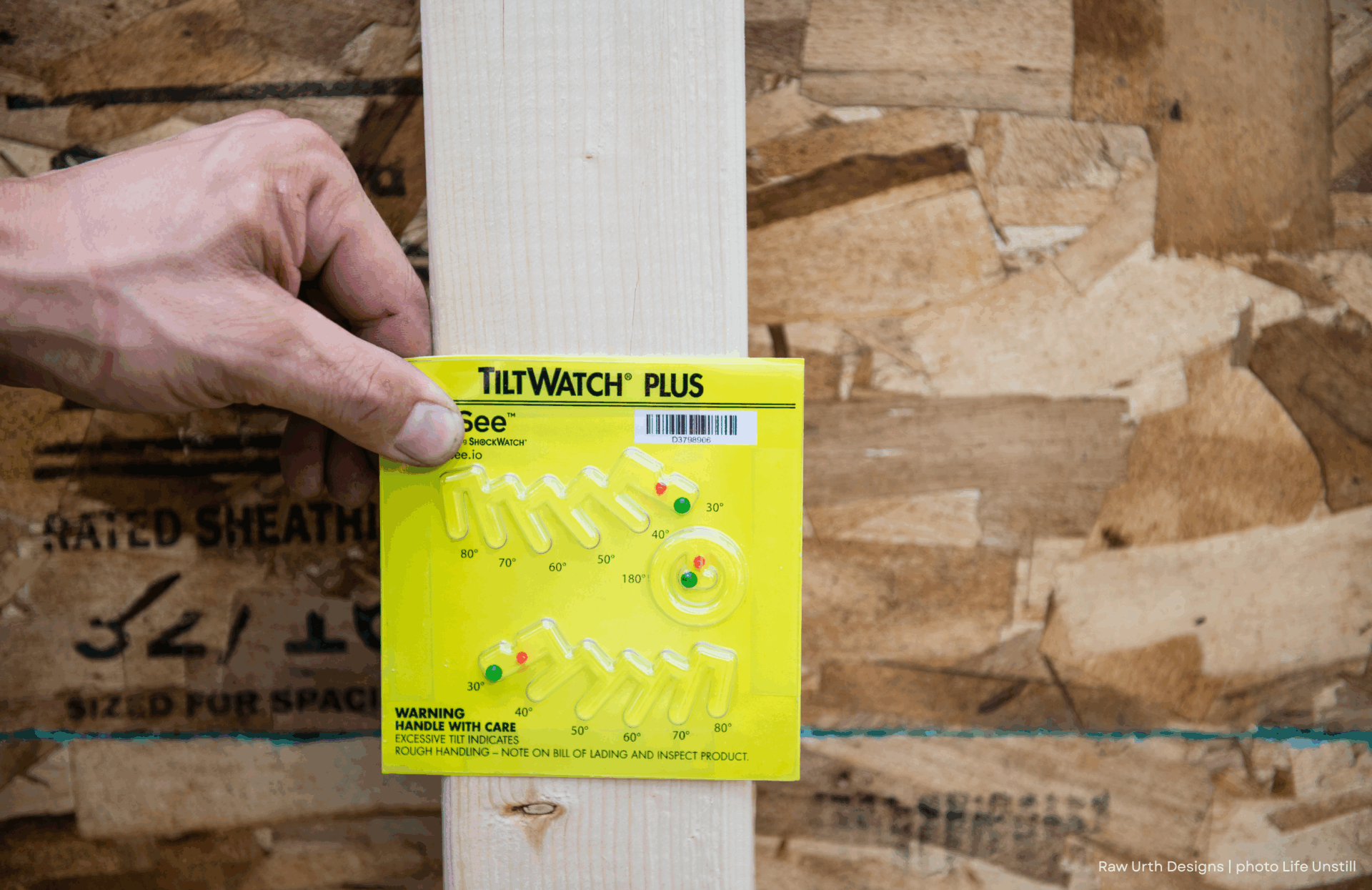
For a custom hood, this is also where shop drawings and blocking diagrams earn their keep. A builder who gets exact weight specs and duct sizing before the framing closes up avoids the expensive alternative, which is opening a finished wall back up because the hood did not match the rough-in.
Which Tier Is Right for Your Kitchen?
A budget catalog hood is the right call when:
- The kitchen is a rental, a flip, or a lower price point in the home overall
- The hood sits under upper cabinets and is not a visual focal point
- Timeline matters more than material character, since stock units ship fast
A premium or trophy custom hood is the right call when:
- The hood hangs over an island or a statement range and will be seen from the main living space
- The kitchen is being photographed, published, or built as a long-term “we’re not doing this again” project
- You want a finish with real depth and character, sealed to hold that look for the life of the piece
A useful gut check: if you can picture the hood being pointed out to a dinner guest, it is probably a tier-three-or-above decision, even when the rest of the kitchen skews mid-range.

Where These Figures Came From
The price tiers above are drawn from Raw Urth Designs’ own 2026 market research into the custom range hood category, cross-referenced against publicly available pricing from stock, mid-market, and custom fabricators, plus current third-party installation-cost data from Angi and HomeGuide. Vendor quotes vary by region, project complexity, and current material costs, so treat these as informed ranges, not a fixed price sheet for any single project.
A Related Resource Worth Bookmarking
If you are trying to picture what a fully custom hood actually looks like in steel, copper, or brass, and what it takes to get one built for your specific kitchen, take a look at Raw Urth’s custom range hood work. It is a good next stop for seeing the premium and trophy tiers up close.
We would also rather talk it through than hand you a number cold. If a hood is becoming the centerpiece of your kitchen and you want to know where your project actually lands, that starts with a conversation and a real person on the phone, and we are in it with you for the long haul.
Frequently Asked Questions
What’s the average cost of a custom range hood? Most fully custom hoods, hand-fabricated in steel, copper, or brass and sized to a specific kitchen, fall between $5,000 and $15,000. Large-scale or specialty-metal pieces can run $15,000 to $25,000 or more.
Is copper or brass more expensive than stainless steel for a range hood? Usually, yes. Stainless steel hoods tend to start lower, often in the $3,000 to $5,000 range, while copper and brass run higher because of both the material cost and the additional shop time each metal takes to shape and finish well.
Does installation cost extra on top of the hood price? Almost always. A simple replacement can run a few hundred dollars, while a full install with new ductwork and electrical can reach $2,000 or more, separate from the price of the hood itself.
Why do two hoods that look similar cost such different amounts? Usually because one is mass-produced from a stamped die and the other is hand-built for one specific kitchen. Custom sizing, hand fabrication, and a true sealed-patina finish all add real time and skill that a stock hood does not require.
Will a patina finish change over time? A true patina is developed by hand as a chemical reaction with the metal, so every piece is one of a kind when it is made. At Raw Urth, it is then sealed, so it stays as delivered rather than shifting on you down the road.